
Goal: Streamlining Your Sales Process with AI
For small and medium-sized businesses (SMBs), the sales process is often fraught with inefficiencies. In fact, a staggering 70% of SMBs report facing sales process inefficiencies that hinder their growth potential. This is where AI sales automation comes into play. It provides powerful tools to streamline operations, enhance productivity, and ultimately boost revenue.
To capitalize on the advantages of AI in sales, businesses must first understand its potential. AI can analyze vast datasets, predict customer behavior, and automate repetitive tasks, thereby allowing sales teams to focus on strategy and relationship-building.
Next, it’s crucial to identify specific areas within your sales process where automation can enhance efficiency. This may involve automating email outreach, lead scoring, or follow-ups. Setting clear objectives for your AI sales automation initiative will provide direction and measurable outcomes as you move forward.
Prerequisites: Preparing for Your AI Sales Automation Journey
Before diving into AI sales automation, it’s essential to assess your current sales processes comprehensively. Identify bottlenecks that hinder productivity, whether they are manual data entry, delayed follow-ups, or ineffective lead tracking.
Gather the necessary tools and platforms that will facilitate automation. This could include CRM systems, email marketing software, and integrations that connect various data points. Having a clear technological stack will make implementing automation smoother.
Finally, ensure that your team members are on board with the automation plan. Communication is key. Host training sessions to demonstrate how these tools will aid their work rather than replace them, fostering a culture of acceptance and collaboration.
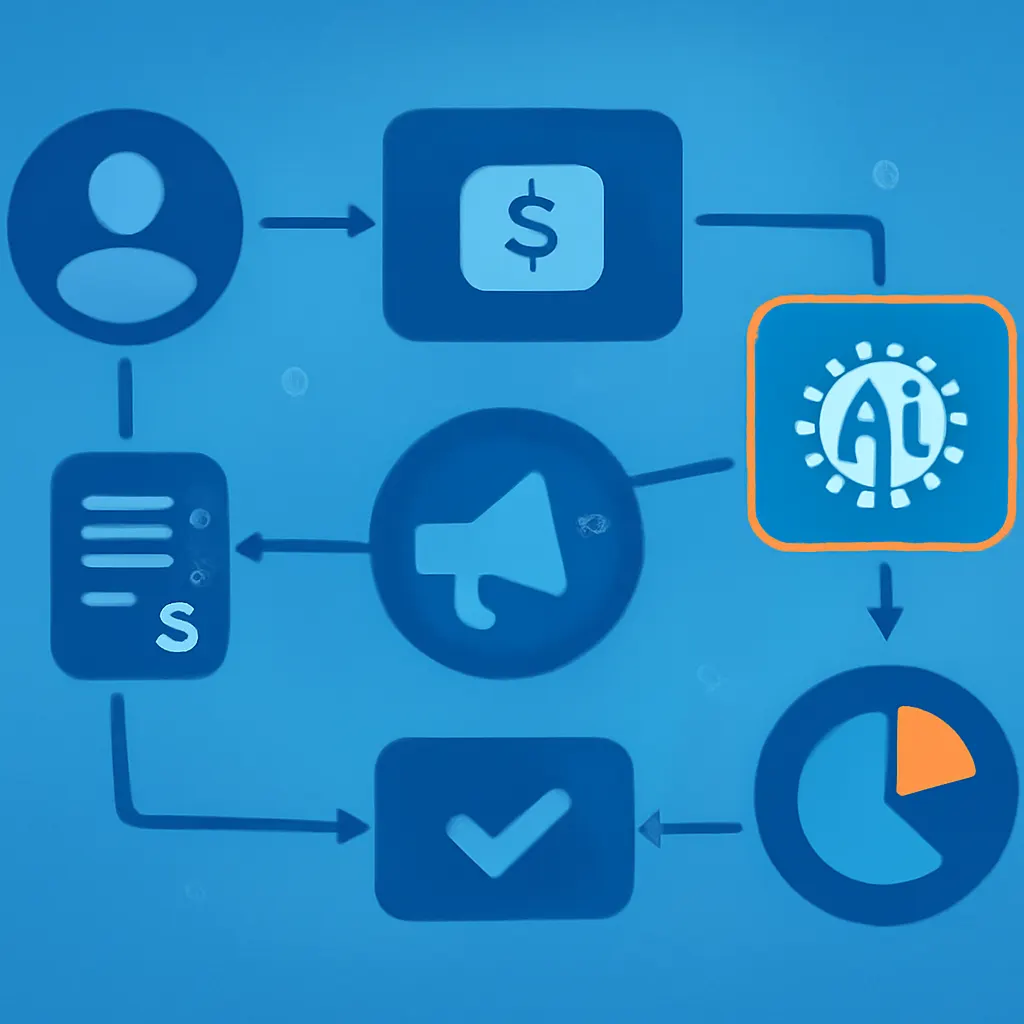
Step 1: Selecting the Right Tools for Your Automation
With a clear understanding of your goals and prerequisites, it’s time to select the right tools for your automation. Evaluate no-code platforms that allow you to build automation solutions without extensive programming knowledge. Tools such as Zapier or Integromat can be great for this.
When choosing tools, consider those that integrate seamlessly with your existing systems. For instance, if you use a particular CRM, look for automation tools that can connect to it without any hassle. This minimizes disruption and maximizes efficiency.
Cost-effectiveness and ease of use are crucial factors in your selection process. Many platforms offer tiered pricing based on usage, so evaluate your projected needs and ensure you’re not overcommitting financially.
Step 2: Designing and Building Your AI Sales Automation Architecture
Now it’s time to design your AI sales automation architecture. Start by mapping out your desired sales workflow and identifying key automation touchpoints. This could involve integrating chatbots for initial customer engagement or automating follow-ups based on lead behavior.
Create a prototype to visualize the automation flow. This will serve as a blueprint for your implementation. Involve various stakeholders during the design phase to gather feedback and ensure that the automation aligns with the needs of your sales team.

Step 3: Testing and Iterating Your Automation Solution
Once your automation system is built, conduct a pilot test with a small segment of your sales process. This helps identify any unforeseen issues and provides an opportunity for fine-tuning before a full rollout.
Collect feedback from users actively engaged in the pilot. Their insights are invaluable for making necessary adjustments. Implement iterative cycles to refine your automation system continuously. This means being open to changes and enhancements based on real-world use.
Common Pitfalls: What to Avoid in AI Sales Automation
While AI sales automation offers numerous benefits, there are common pitfalls that businesses should avoid. One major mistake is overcomplicating the automation process. Keep it simple and focused on specific tasks to ensure that the sales team can adapt without feeling overwhelmed.
Another common error is neglecting training for your sales team on new tools. Ensure they are well-versed in how to leverage the automation to enhance their workflow rather than detract from it.
Finally, failing to monitor the effectiveness of the automation can lead to stagnation. Regularly review your automated processes to ensure they are meeting your objectives and adjust as necessary.
Mini Case Scenario: The Success Story of an SMB
To illustrate the impact of AI sales automation, consider a fictional SMB named “TechSmart,” a small IT support company. TechSmart faced several challenges in managing client inquiries and follow-ups. They decided to implement AI sales automation to streamline their processes.
Initially, TechSmart struggled with a high volume of emails and inquiries, leading to delayed responses and lost clients. By utilizing AI chatbots for initial customer engagement and automating follow-ups with personalized emails, they managed to reduce response times significantly.
Post-automation, TechSmart saw a 30% increase in client retention rates and a 25% boost in new client acquisition, demonstrating that well-implemented AI sales automation can lead to substantial business growth.
Conclusion: Embracing AI Sales Automation for Future Growth
As SMBs navigate the complexities of sales in a digital world, embracing AI sales automation can be a transformative step toward efficiency and growth. Businesses should adopt AI solutions cautiously and strategically, ensuring they align with their overall objectives.
The journey of automation should be seen as an ongoing process of learning and iteration. As technology evolves, so should your approach to sales. Consider exploring more resources from Yladick Lab to assist you in your automation journey.
For further insights and updates, feel free to join our community at Yladick Lab Blog.