
In the fast-paced world of small business, efficiency is key. As operations grow, managing customer relationships and internal processes can become overwhelming. This is where custom CRM development comes into play, providing tailored solutions that not only address specific business needs but also enhance overall productivity.
Goal: Streamlining Business Operations with Custom CRM
- Understand specific business needs
- Maximize efficiency through tailored solutions
- Enhance customer relationship management
The primary goal of custom CRM development is to streamline your business operations. A good CRM system should be designed around your unique requirements rather than forcing your business processes to fit a pre-existing software. This entails a thorough understanding of your business needs, identifying areas where efficiency can be improved, and ensuring that customer relationship management is at the forefront of your operations.

Prerequisites: Setting Up for Success
- Assess current processes and challenges
- Gather input from team members
- Choose the right technology stack
Before diving into the development process, it's crucial to lay a solid foundation. Start by assessing your current processes and pinpointing the challenges you face. This could involve conducting surveys or interviews with your team to gather valuable input. Choosing the right technology stack is also essential; consider factors such as scalability, ease of integration, and the familiarity of your team with the chosen tools.
Step 1: Planning Your Custom CRM Development
- Define objectives and key features
- Map out user roles and permissions
- Establish a timeline and budget
Once you have a clear understanding of your prerequisites, the next step is to plan the development of your custom CRM. Clearly define your objectives and list the key features that will drive value for your business. Mapping out user roles and permissions will ensure that the relevant team members have access to the necessary tools and information. Establishing a timeline and budget will help keep the project on track and within financial constraints.
Step 2: Designing Your Custom CRM Interface
- Focus on user experience and simplicity
- Incorporate essential functionalities
- Create prototypes for feedback
The design phase is where your vision starts to become tangible. Prioritize user experience by keeping the interface intuitive and straightforward. Essential functionalities should be easily accessible, allowing users to navigate the system without unnecessary complexity. Creating prototypes and seeking feedback from your team at this stage can lead to significant improvements and adjustments before full-scale development begins.
Step 3: Building and Testing Your Custom CRM
- Use Agile methodologies for development
- Conduct thorough testing phases
- Implement feedback loops for improvements
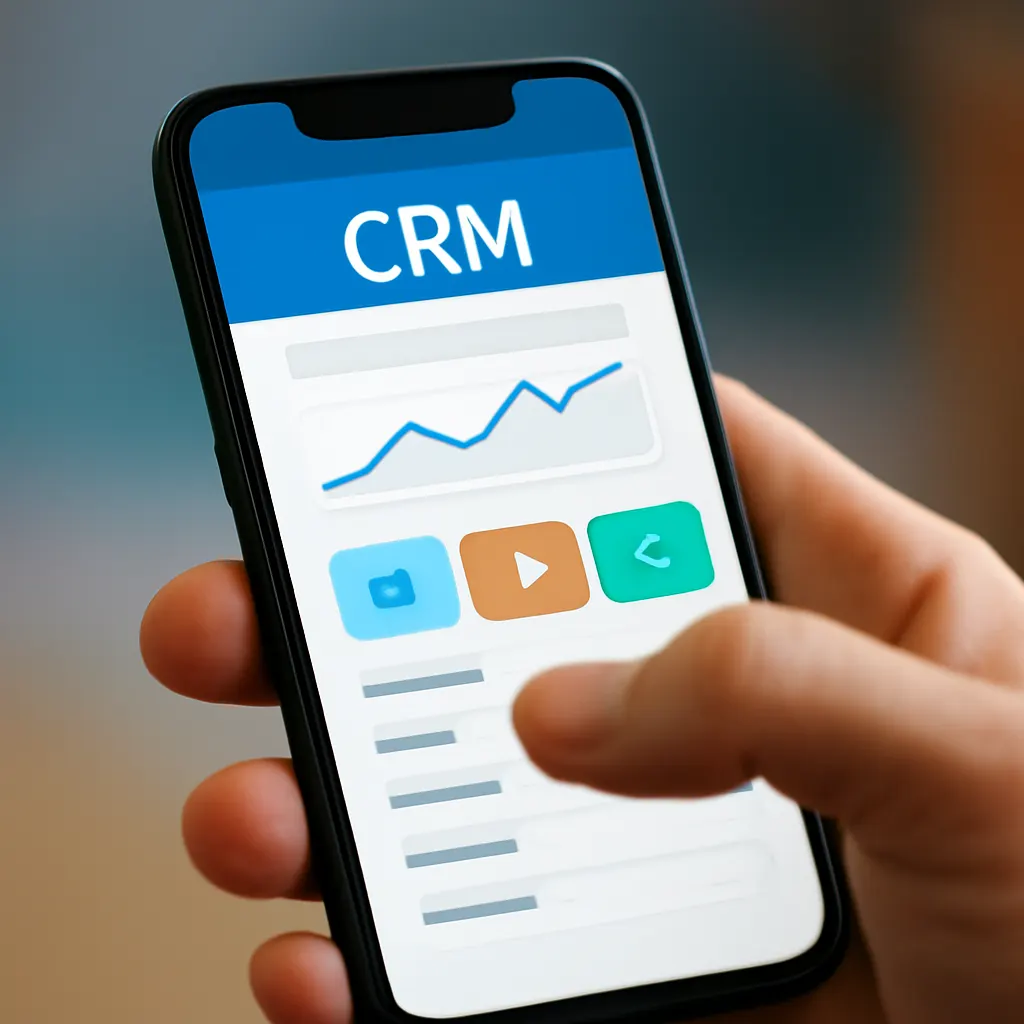
With your design in place, it's time to build your custom CRM. Utilizing Agile methodologies can enhance collaboration and allow for iterative development, ensuring that the project remains flexible and responsive to change. During the testing phases, conduct thorough assessments to identify any bugs or usability issues. Implementing feedback loops will help in refining the CRM based on real user input, making the final product more effective and user-friendly.
Common Pitfalls: What to Avoid During Development
- Neglecting user input in design
- Underestimating project complexity
- Failure to plan for scaling
Even with the best intentions, projects can veer off course. Common pitfalls include neglecting user input during the design phase, which can result in a system that doesn't meet the needs of its users. It's also crucial to realistically assess the complexity of the project; underestimating this can lead to delays and overspending. Lastly, always plan for scalability from the outset to accommodate future growth and changes in business processes.
Mini Case Scenario: The Transformation of a Local Auto Repair Shop
- Initial challenges in customer management
- Implementation of a custom CRM solution
- Results: increased efficiency and customer satisfaction
To illustrate the impact of custom CRM development, consider the case of a local auto repair shop that struggled with managing customer information and appointment scheduling. Initially, they relied on spreadsheets and manual processes, leading to inefficiencies and missed appointments. After implementing a tailored CRM solution, the shop was able to automate appointment reminders, track customer interactions, and manage inventory more effectively. The results were impressive: increased efficiency and a 30% boost in customer satisfaction.
Conclusion: The Future of CRM in Your Business
- Continuous improvement and adaptation
- The role of data in enhancing CRM
- Exploring automation tools to complement your CRM
Looking ahead, the future of CRM in your business lies in continuous improvement and adaptation. The role of data is pivotal; by analyzing customer interactions and behavior, you can refine your approach and enhance your CRM's effectiveness. Moreover, exploring automation tools can complement your CRM, further streamlining operations and freeing up valuable time for your team to focus on strategic initiatives.
For those interested in learning more about custom CRM development and how it can transform your business, feel free to check out our blog at Yladick Lab. Embrace the power of technology to streamline your operations and foster better customer relationships.