
In an increasingly competitive landscape, businesses that ignore the potential of AI business automation risk falling behind. While many organizations recognize the importance of efficiency, the costs associated with inaction often go unnoticed. The cumulative effects of delays, manual processes, and operational inefficiencies can be devastating, leading to lost opportunities and revenue. This article explores the hidden costs of neglecting automation and provides insights into how businesses can harness AI to streamline operations and boost profitability.
Understanding the Cost of Inaction
Businesses often overlook the cumulative costs associated with delays and manual processes. The lack of automation can lead to significant operational inefficiencies. Studies show that companies that do not leverage automation can experience inefficiencies that rise by around 30%. This inefficiency is not just a minor hindrance; it compounds over time, affecting productivity, employee morale, and customer satisfaction.
Moreover, lost opportunities due to slow response times can lead to potential revenue losses of up to 50%. When customers encounter long wait times or poor service, they are likely to turn to competitors. Ignoring these factors can ultimately jeopardize a business's long-term viability.

Identifying the Inefficiencies
Common areas of inefficiency in many organizations include lead management, customer queries, and sales processes. For instance, manual handling of customer inquiries can result in longer resolution times and decreased satisfaction. Customers expect quick responses, and when these expectations are not met, businesses risk losing loyal clients.
Automation can streamline these processes, but many businesses fail to recognize where they need it most. A thorough analysis of existing workflows can reveal bottlenecks and repetitive tasks that are ripe for automation. By identifying these inefficiencies, companies can make informed decisions about where to implement AI business automation solutions.
The Paradigm Shift: Embracing AI Business Automation
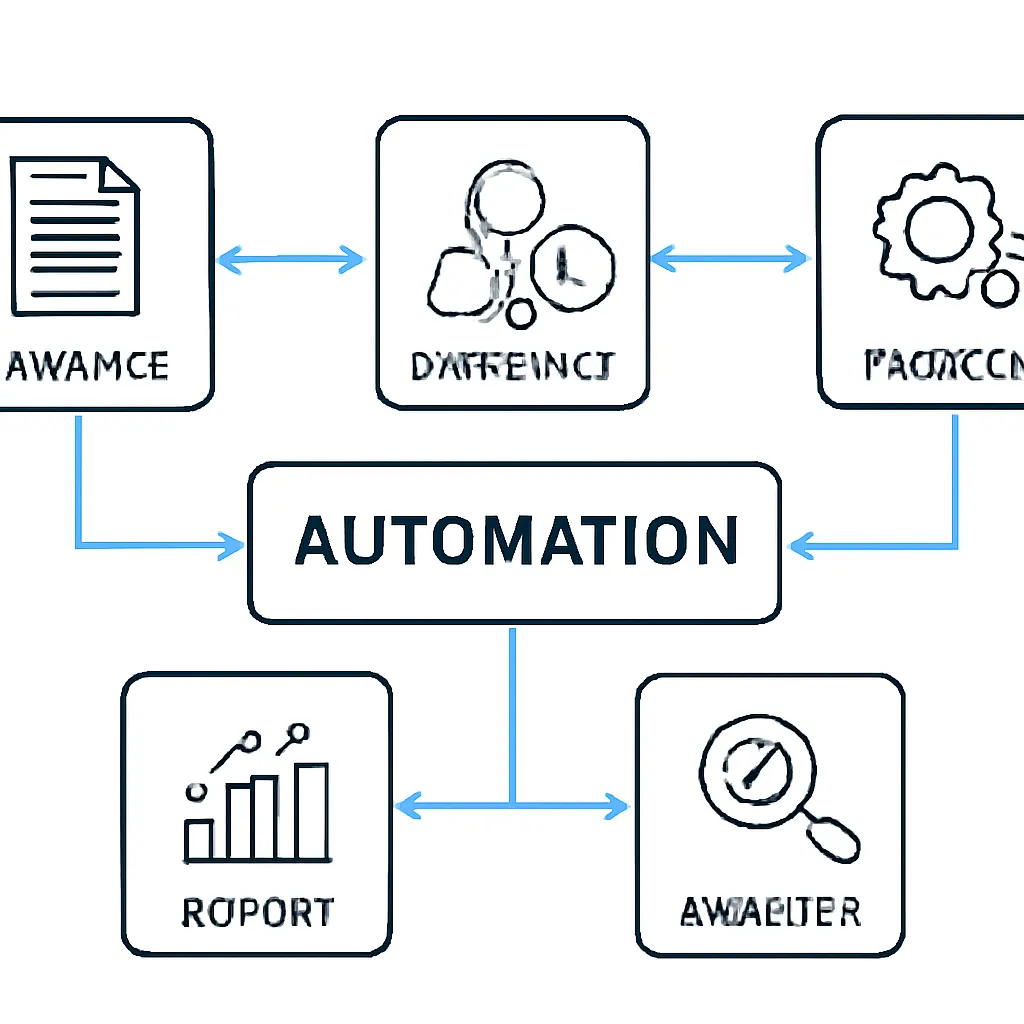
AI business automation offers tailored solutions for automating routine tasks, freeing employees to focus on high-value activities. Implementing AI can reduce the time spent on repetitive tasks by up to 70%, allowing teams to concentrate on strategic initiatives that drive growth.
This shift from manual to automated processes enhances customer engagement and retention. For example, businesses can use AI tools to analyze customer behavior and preferences, enabling them to personalize marketing efforts and improve customer experiences. As automation technologies advance, the potential for leveraging AI in business operations will only increase.
Real-World Impacts: Case Studies
To understand the benefits of AI business automation, consider these real-world examples:
- A small e-commerce company integrated AI chatbots and saw a 40% increase in customer satisfaction. Customers appreciated the quick responses and round-the-clock service, leading to higher sales and improved loyalty.
- A service agency reduced inquiry response time from hours to seconds by automating lead management. This efficiency not only improved customer satisfaction but also led to a significant increase in conversions.
These cases demonstrate the tangible benefits of adopting AI business automation strategies. By investing in the right tools, businesses can enhance their operational efficiency and create a more responsive customer experience.
Common Mistakes in Implementing Automation
Despite the clear advantages, many businesses stumble during the implementation of automation. Common mistakes include:
- Failing to properly assess needs can lead to wasted resources on unnecessary tools. Companies must conduct a thorough needs assessment to ensure they invest in the right solutions.
- Not involving employees in the automation discussion can result in resistance and poor adoption. Engaging staff in the process can foster a culture of innovation and encourage acceptance of new technologies.
- Ignoring the need for ongoing evaluation and adjustment can diminish long-term benefits. Automation is not a one-time fix; businesses must continuously monitor and refine their processes to adapt to changing needs.
A Step-by-Step Checklist for Implementing Automation
To successfully implement AI business automation, consider the following checklist:
- Conduct a thorough analysis of current processes to identify key areas for automation.
- Engage stakeholders to gather insights and ensure buy-in. This collaborative approach helps identify pain points and opportunities for improvement.
- Select the right tools and ensure they integrate seamlessly with existing systems. Compatibility is crucial for a smooth transition.
- Monitor progress and continuously refine processes to adapt to changing business needs. Regular assessments allow for timely adjustments and maximized efficiency.
Future Trends in AI Business Automation
The future of AI business automation is promising. AI will increasingly play a role in predictive analytics and customer insights, enabling businesses to anticipate needs and respond proactively.
Moreover, integration of AI across various platforms will create a more cohesive operational framework. Businesses that fail to adapt may struggle to compete as automation becomes the norm. Embracing these trends now can position companies for success in an evolving market.
Conclusion: The Path Forward
Ignoring the potential of AI business automation can lead to significant long-term costs. By strategically implementing automation, businesses can unlock new levels of efficiency and customer satisfaction. The time to act is now; companies must assess their processes and consider how automation can drive their success.
Explore how a tailored solution from Yladick Lab could help streamline your operations and set your business on the path to success. For insights and updates, join our community at Yladick Lab Blog.