
Goal: Empower Your Business Through AI Automation
In today's rapidly evolving business landscape, leveraging AI for automation is not just a luxury but a necessity. By automating routine tasks, businesses can significantly enhance their efficiency and focus on more strategic initiatives. The value of automating routine tasks cannot be overstated, as it allows teams to concentrate on higher-level functions that drive growth.
Moreover, AI can streamline various business processes, from customer interactions to data management. This potential for improvement makes it crucial for businesses to explore the benefits of AI technologies. However, it’s important to set realistic expectations when it comes to automation outcomes. Not every process will see immediate results, and the implementation path can vary based on industry and company size.
Prerequisites: Tools and Knowledge Needed
Before diving into AI business automation, it's essential to identify the tasks that are suitable for automation. Not all processes will benefit equally; thus, a thorough assessment of workflow is key. Start by analyzing repetitive tasks that consume significant time and resources.
Additionally, a basic understanding of AI and automation tools will empower your team to make informed decisions. Familiarize yourself with the types of automation tools available and how they can integrate into your existing systems. Lastly, prepare your team for the upcoming changes by providing training and resources that will help them adapt to new technologies.
Step 1: Choose the Right Free Tools for Automation
The market is saturated with various automation tools that cater to different business needs. Start your search by researching available free automation tools such as Zapier and n8n. These platforms offer robust features that can help you automate processes without the need for a hefty budget.
When selecting your tools, evaluate them based on ease of use and scalability. A user-friendly interface will make it easier for your team to adopt the new system without extensive training. Additionally, consider the integration capabilities of the tools with your existing systems, as seamless integration will save time and reduce friction during implementation.

Step 2: Map Out Your Automation Objectives
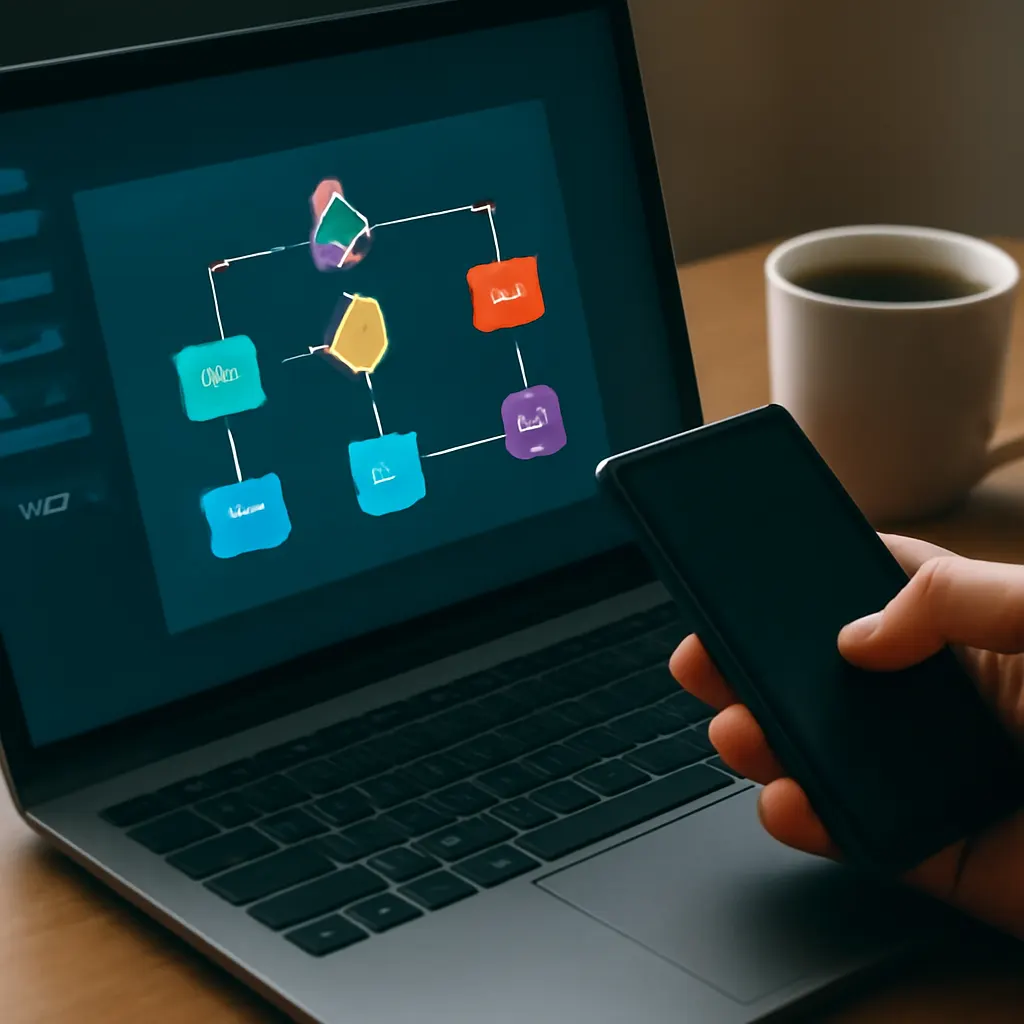
Defining clear automation goals is crucial for successful implementation. Aim to reduce response times, improve accuracy, and enhance customer satisfaction. By creating a process flowchart, you can visualize the tasks that will be automated and identify any potential bottlenecks in the workflow.
Engaging stakeholders early in the process is vital to ensure alignment and buy-in for the automation objectives. By involving team members from various departments, you can gather diverse perspectives that will help shape a more effective automation strategy.
Step 3: Build and Implement Your First AI Bot
Once you've mapped out your objectives, it's time to build your first AI bot. Follow a step-by-step guide to create a simple bot that addresses one of your defined goals. Start small with basic functionalities to ensure a smooth implementation.
Testing the bot in a controlled environment is critical. This allows you to identify any issues and make adjustments before a full rollout. After implementation, gather feedback from users to refine the bot's functionality and enhance its performance over time.
Common Pitfalls: What to Avoid in AI Business Automation
While many benefits come with AI business automation, there are common pitfalls that can derail your efforts. One major mistake is neglecting to involve end-users in the process. Their insights are invaluable for identifying what works and what doesn't.
Another trap is overcomplicating your automation with unnecessary features that can confuse users and slow down processes. Regularly reviewing and updating automated processes is essential to ensure they remain relevant and effective.
Mini Case Scenario: A Small Business Journey
Consider the fictional case of a small business, 'EcoGoods,' which specializes in sustainable products. Initially, the team struggled with managing customer inquiries and processing orders efficiently. They decided to leverage free automation tools like Zapier to integrate their email system with their order management.
By automating email responses and order confirmations, EcoGoods decreased their average response time from 24 hours to just one hour. This significant change not only improved their efficiency but also enhanced customer satisfaction, resulting in a 20% increase in repeat business within three months.
Conclusion: The Path Forward with Yladick Lab
Starting small with automation can yield substantial benefits for your business. As you embark on your AI business automation journey, remember the importance of continuous learning and adaptation. Embrace the technology, experiment with various tools, and gather insights from your experiences to refine your approach.
If you're looking for further assistance or resources, we invite you to explore what Yladick Lab can offer. Our expertise in AI-driven solutions can help you navigate the complexities of automation effectively. For more insights, feel free to join our community on Telegram.